
The Making of the Books
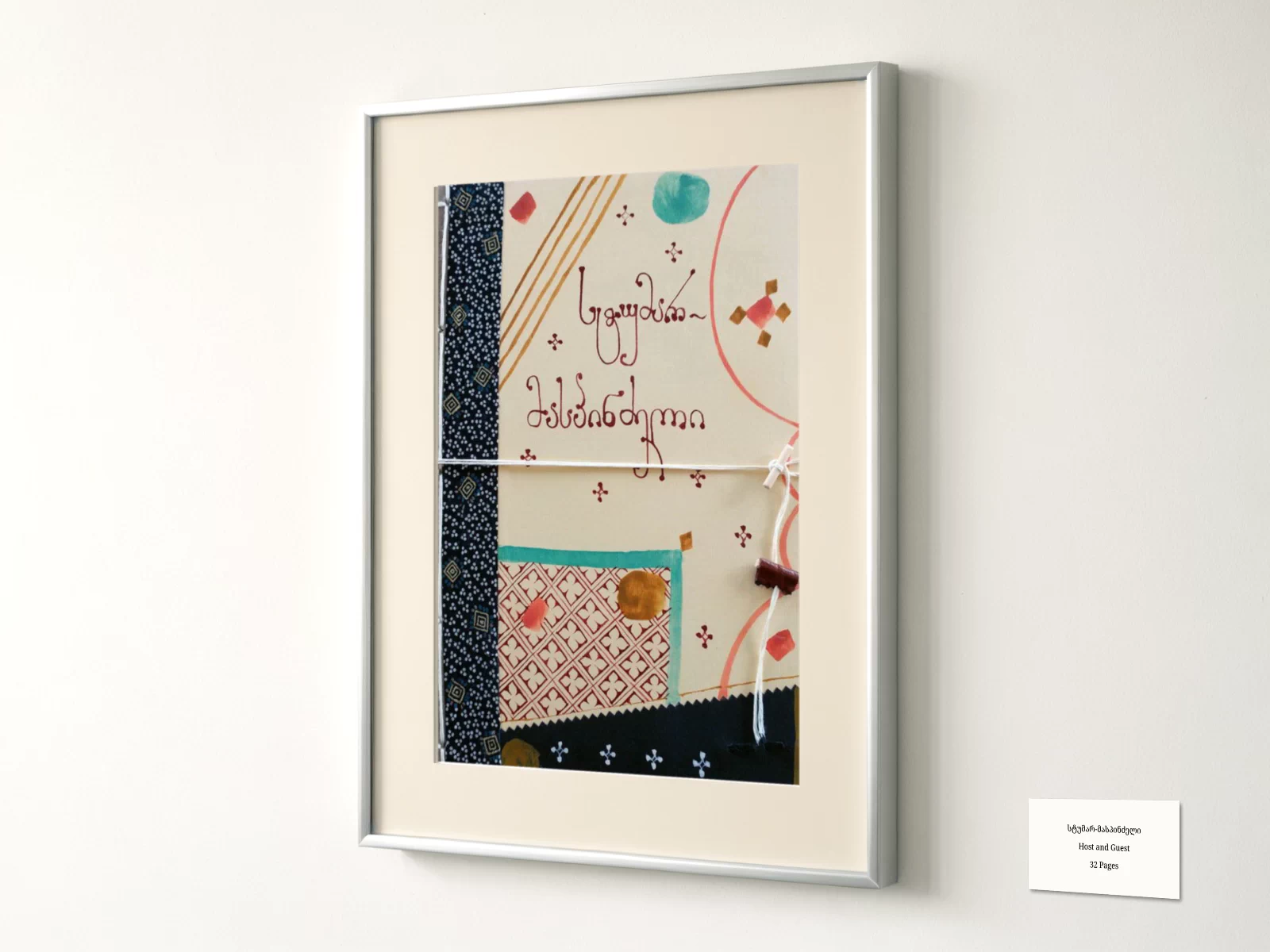
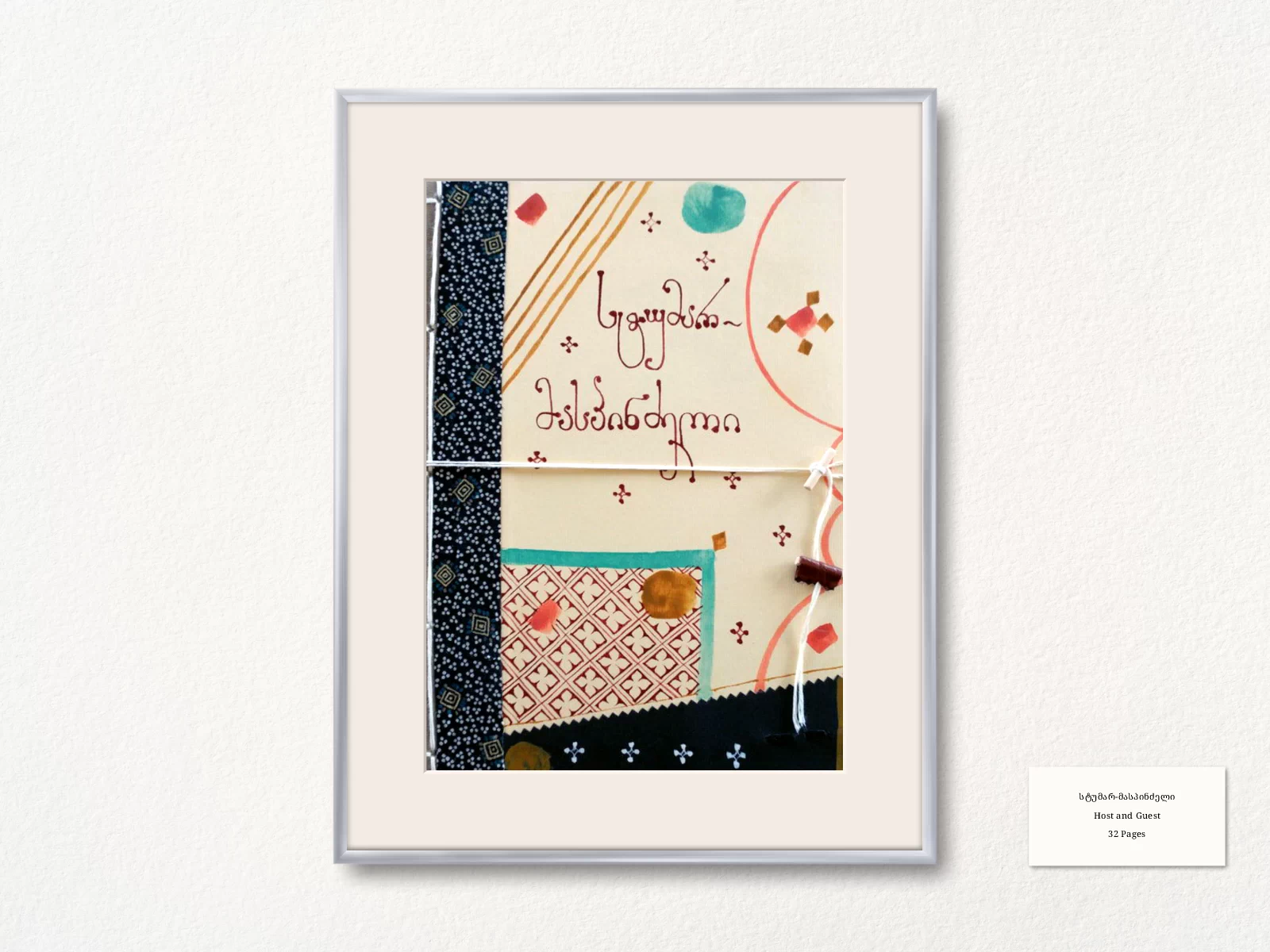
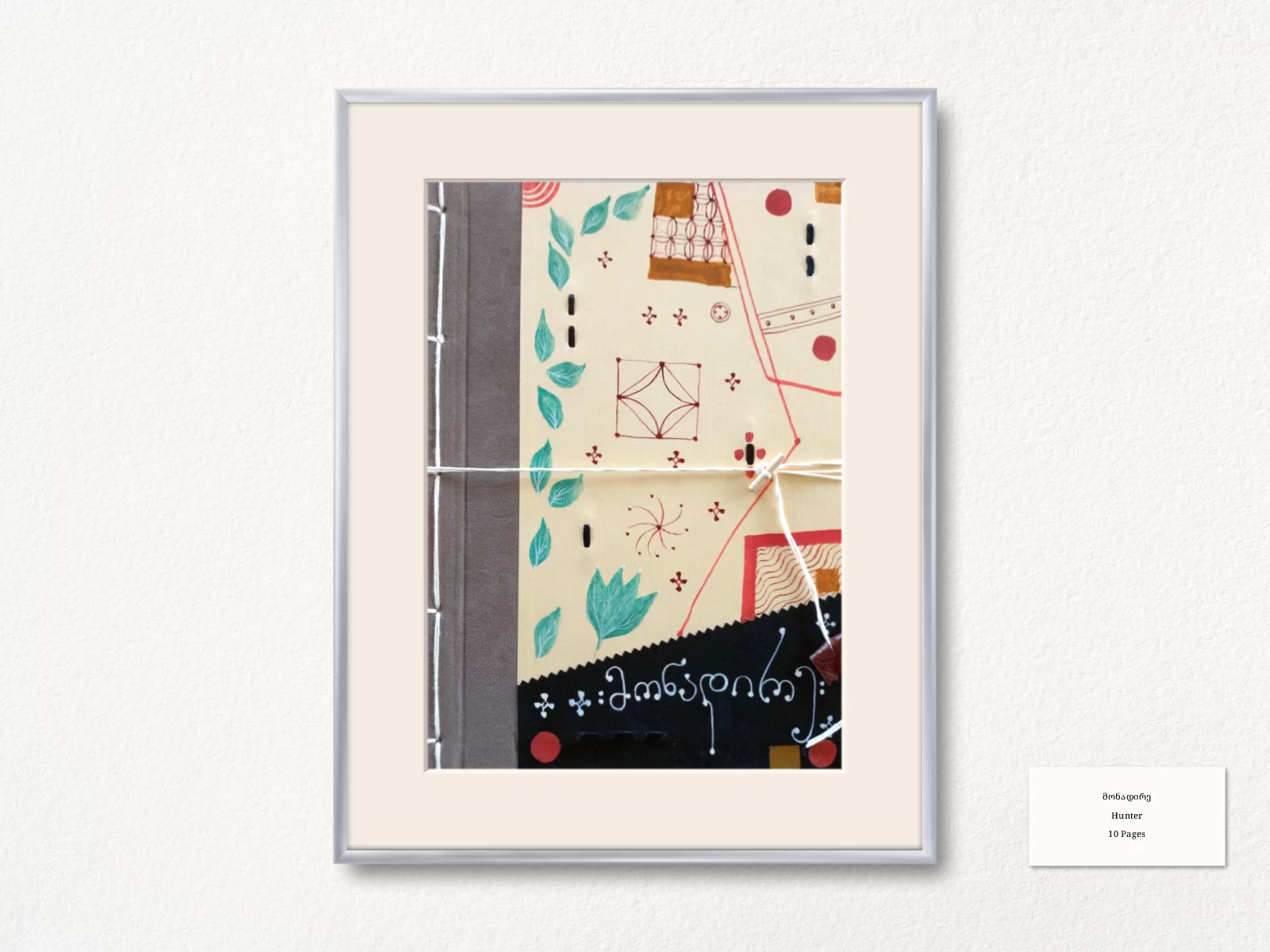
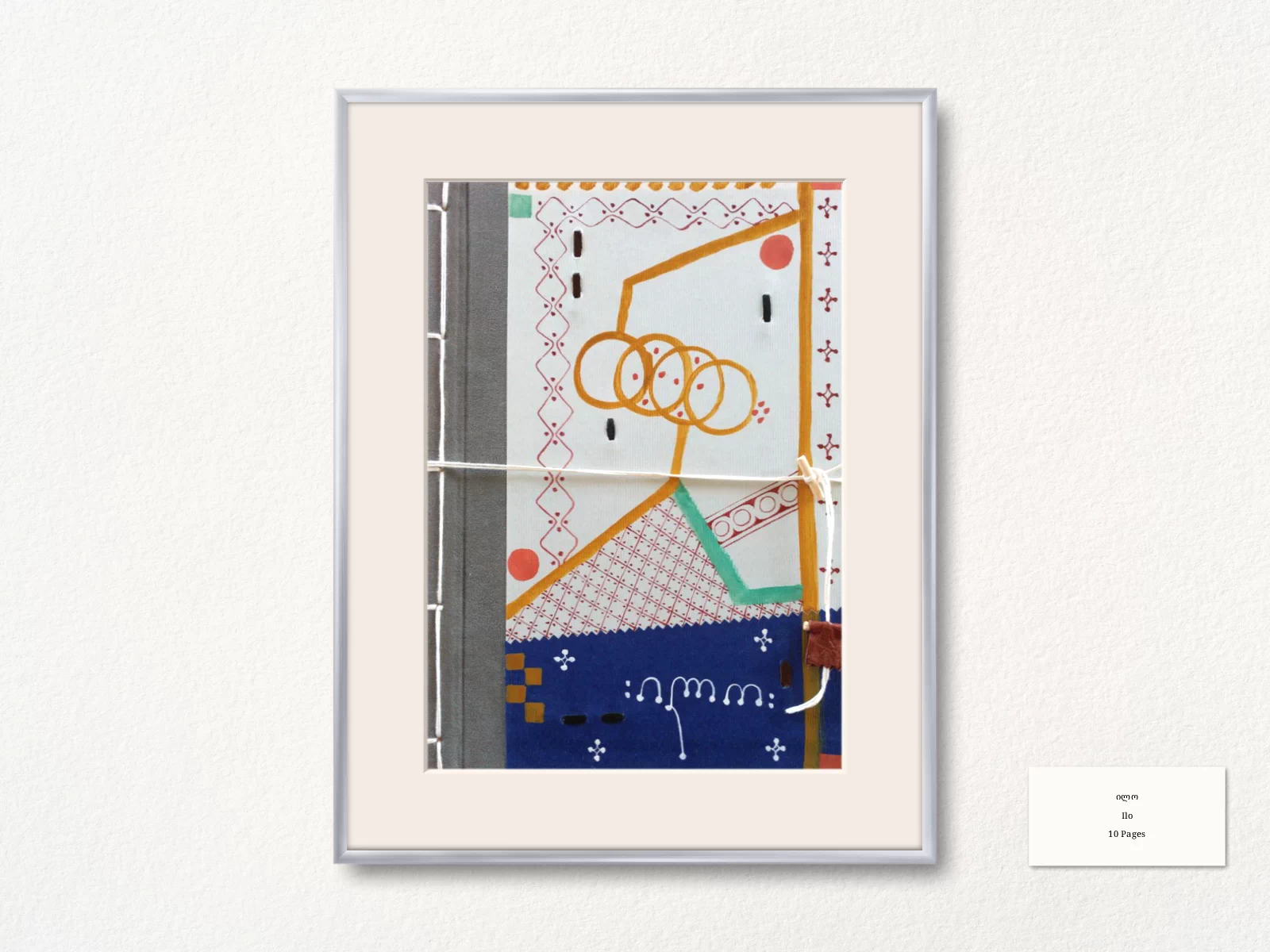
This collection grew from a much earlier project dedicated to the poetry of Vazha-Pshavela. Between 2011 and 2012, members of the Georgian Painter-Calligraphers Union created a series of illuminated manuscripts following a shared artistic concept inspired by the traditions of historical Georgian book art. The five books presented here became the model for the larger collaborative project that followed.
The Evolution of the Project
On 14 July 2012, marking the 150th anniversary of Vazha-Pshavela’s birth, the original manuscript pages were exhibited in frames at the Vazha-Pshavela Museum in Chargali as part of Georgia’s first international calligraphy exhibition. Alongside fourteen complete Georgian manuscripts, the exhibition presented calligraphic interpretations of Vazha-Pshavela’s poetry by artists from ten countries, demonstrating how Georgian literature could inspire calligraphic traditions across different cultures.
Before the exhibition, every manuscript had been carefully digitised to create archival reproductions. The original pages were displayed individually in frames, allowing visitors to appreciate each composition while protecting the handwritten works from handling.
At the same time, complete printed copies of all fourteen manuscripts were traditionally hand-bound in leather covers and placed in the exhibition for visitors to read and explore. Created as permanent reading copies for the museum, they preserved the experience of the books while safeguarding the original manuscripts.
From Manuscript to Framed Book
Years later, a new question emerged: how could these books continue to be experienced after leaving the exhibition? Traditionally bound books naturally belong on library shelves, yet their handcrafted character and painted covers deserved to remain part of the visual experience.
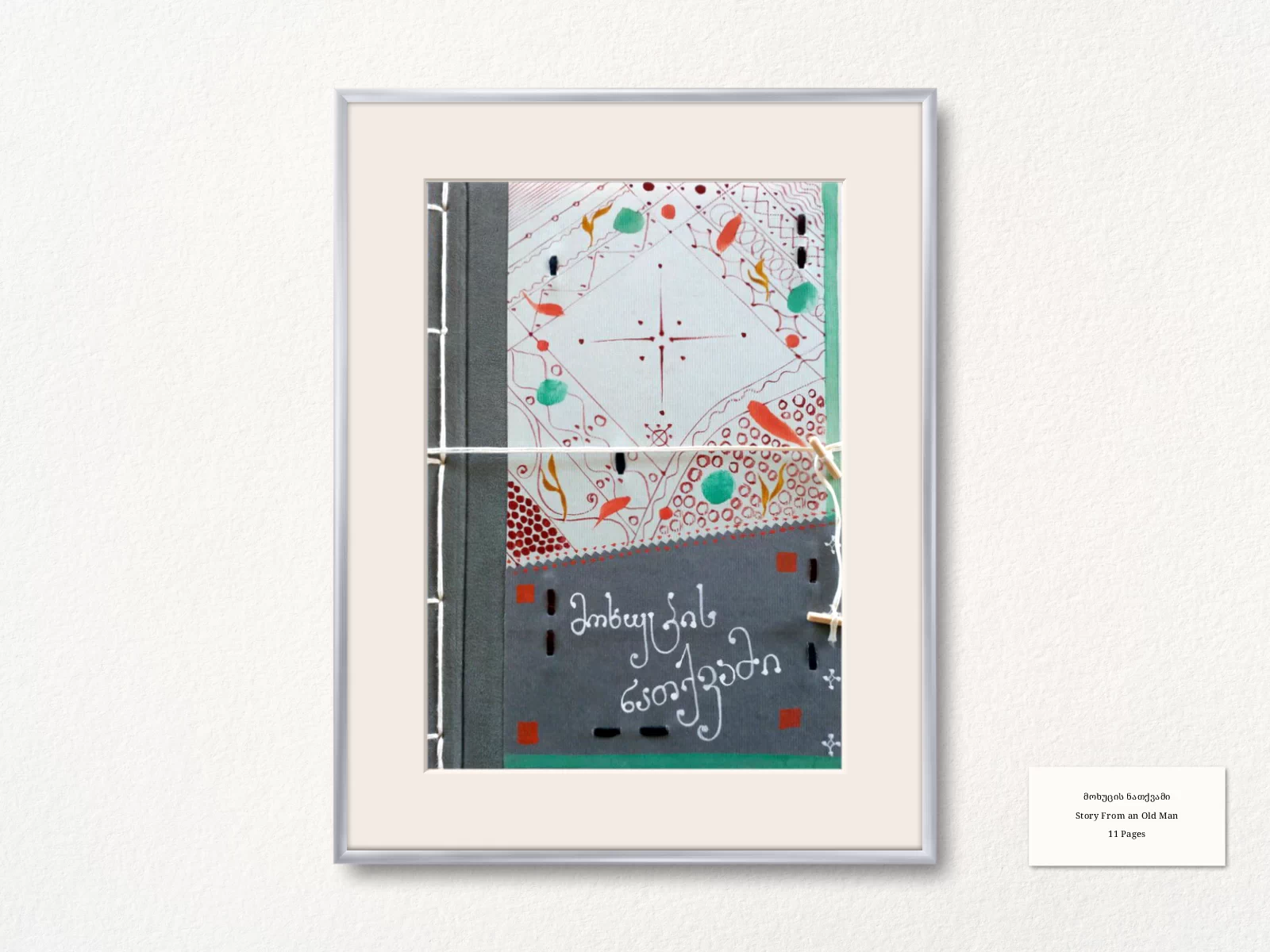
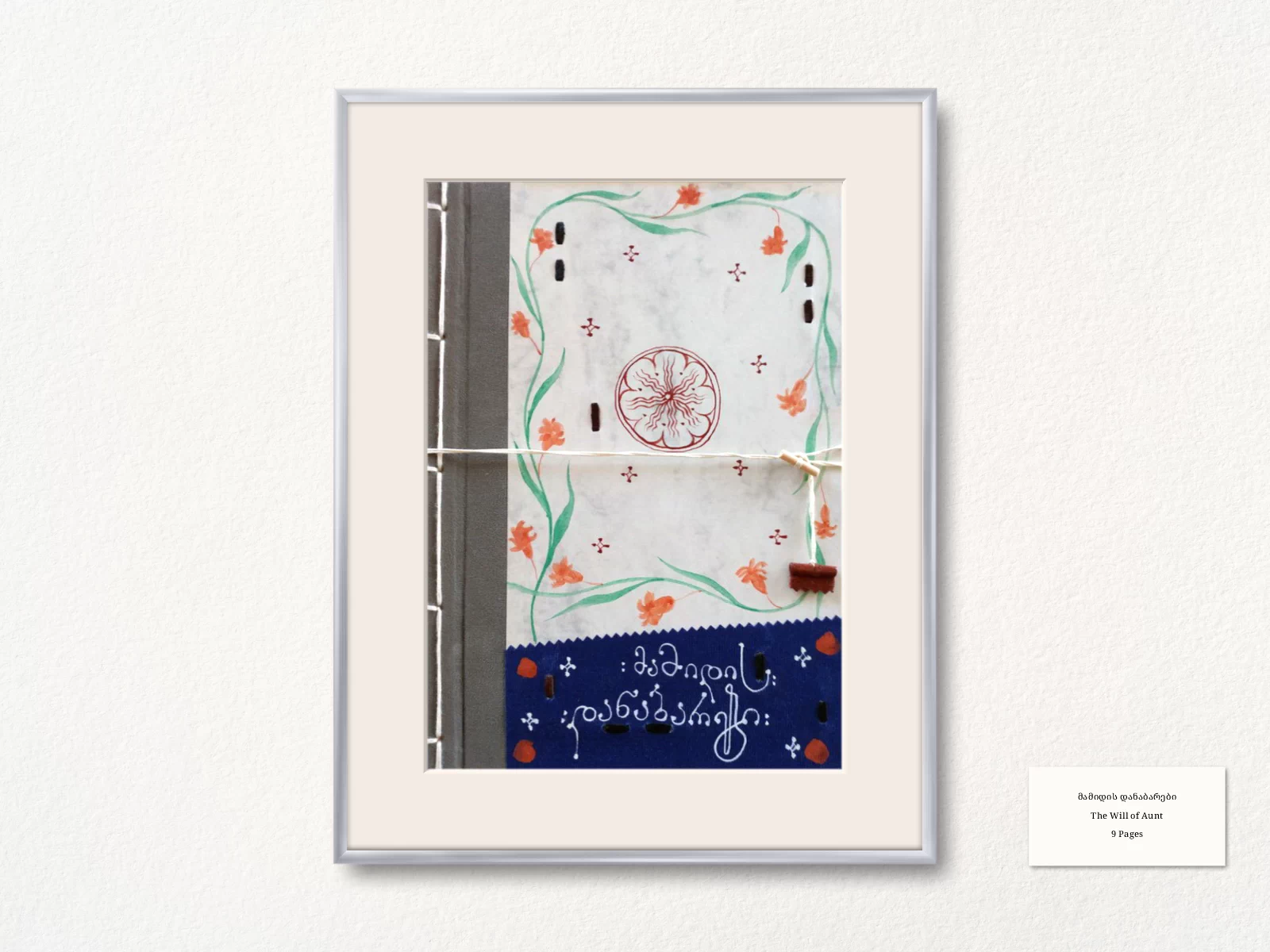
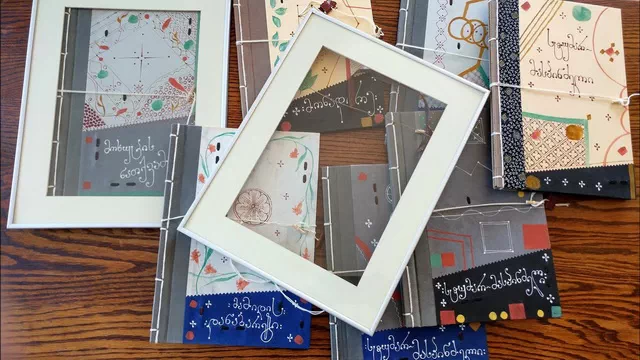
The answer gradually emerged in the form of the picture frame. Instead of enclosing the book as a decorative object, the frame became an extension of it. Each volume received a newly created hand-painted cover, transforming every copy into a unique work while preserving its identity as a book.
Inspired by Japanese stab binding, the books were sewn by hand using a modified binding method developed specifically for this project. The aim was not to reproduce a historical technique exactly, but to create a durable structure suited to repeated handling and exhibition.
The frame itself was also redesigned. A discreet internal support and leather retaining straps allow the book to be removed easily, read comfortably, and returned securely to its place. Rather than separating the object from the viewer, the frame invites interaction while continuing to protect the work.
The frame therefore becomes not a display case, but an extension of the book itself — inviting the viewer to become a reader.
The Writer Behind the Collection
For generations of Georgians, Vazha-Pshavela (1861–1915), the pen name of Luka Razikashvili, has been regarded as one of the country's greatest literary figures. A poet, prose writer, publicist, teacher and public intellectual, he transformed the traditions of the Georgian mountains into works of universal significance, exploring freedom, justice, human dignity and the moral responsibility of the individual.
Born in the mountain village of Chargali in eastern Georgia, Vazha-Pshavela remained deeply connected to the landscapes that shaped his imagination. The customs, oral traditions and way of life of Pshavi became the foundation of his literary world, yet his writing reaches far beyond regional culture through timeless reflections on compassion, honour, sacrifice and humanity.
Although often described as a writer of nature, this captures only part of his achievement. In his works, the natural world is a living presence rather than a backdrop. Mountains, forests and animals possess their own dignity and voice, participating alongside people in the moral questions at the heart of his stories and epic poems.
His finest narrative poems explore the relationship between the individual and society, personal conscience and collective tradition. Instead of dividing the world into heroes and villains, Vazha-Pshavela reveals the complexity of moral choice, inviting readers to question prejudice, revenge and intolerance while searching for humanity even in times of conflict.
Throughout his life, he remained an independent and outspoken public intellectual. He worked as a village teacher, published essays and journalism, defended the Georgian language and national culture, and openly challenged injustice and social indifference. His uncompromising character often brought hardship: he lost teaching positions, struggled with poverty, and continued writing under difficult conditions while supporting his family.
During his final illness in 1915, Vazha-Pshavela was taken to St. Nino’s Hospital, temporarily housed in the building that today serves as the First Building of Tbilisi State University. He spent his last days there, and the room has since been preserved as a small memorial dedicated to his life and work. Today he rests in the Mtatsminda Pantheon among Georgia’s most distinguished writers, artists and public figures.
This collection pays tribute to that enduring legacy through Georgian calligraphy and the tradition of the handmade book. Each volume brings together literature, manuscript culture, painting and craftsmanship, offering not simply another edition of Vazha-Pshavela’s poems, but a visual and tactile encounter with one of Georgia’s most profound literary voices.